
Semantic SEO is transforming how marketers approach search optimization in the era of AI-powered search engines. Instead of focusing solely on keywords, successful strategies in 2026 require a deep understanding of topics, intent, and context. InkieAI is at the forefront of this shift, enabling teams to automate and master semantic SEO to achieve better rankings and reach a wider audience.
Introduction: The Rise of Semantic SEO in AI-Powered Search
Search engines have evolved dramatically, with AI now driving how information is indexed, understood, and ranked. Semantic SEO has emerged as the key to visibility, as search algorithms prioritize understanding context and intent over simple keyword matches. For marketers and SEO professionals, adapting to this new paradigm is essential for staying competitive.

Semantic Search vs. Traditional Keyword-Based Search
Traditional SEO relied heavily on matching exact keywords between search queries and website content. While effective in the past, this approach falls short in today's AI-driven landscape. Semantic search interprets the meaning behind queries, considering context, synonyms, and related topics. As a result, content must be relevant, comprehensive, and contextually rich to perform well.
How InkieAI Supports Semantic SEO
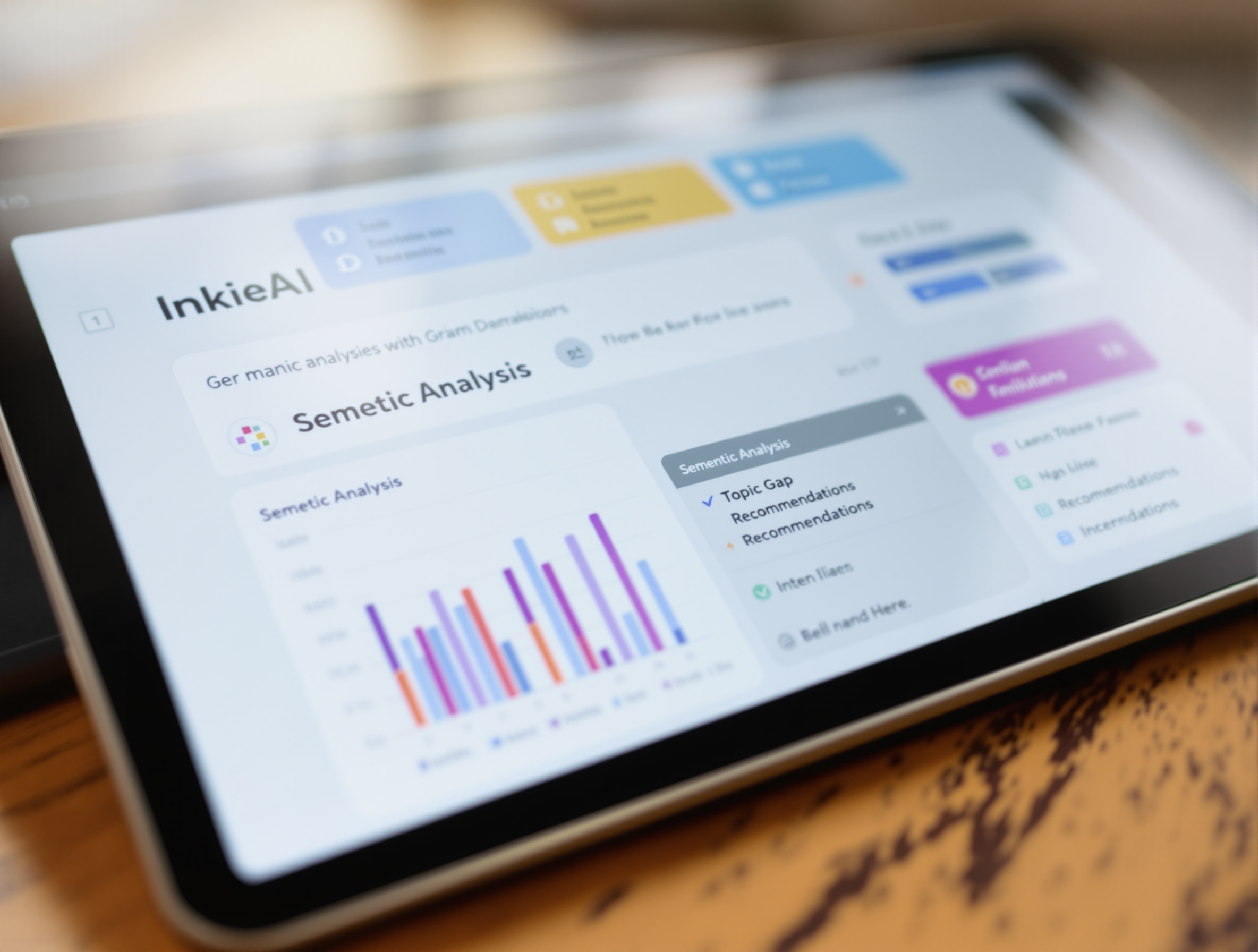
InkieAI leverages advanced AI to automate content research, identify keyword and topic gaps, and generate articles that address the full scope of user intent. Its semantic analysis engine ensures that every article is optimized for context, related entities, and natural language, aligning perfectly with how modern search engines evaluate content.
- Automated topic and gap analysis for comprehensive coverage.
- AI-driven semantic content generation tailored for user intent.
- Continuous optimization based on evolving search algorithms.
- Integration with publishing workflows for consistent output.
Step-by-Step Guide: Using InkieAI for Semantic Content Creation
Mastering semantic SEO with InkieAI is straightforward. Here’s how to get started and optimize your content for AI-powered search:
- Define your target topic and user intent.
- Use InkieAI’s research engine to identify keyword and topic gaps (Keyword gap analysis for AI search).
- Generate content outlines based on semantic relationships and subtopics.
- Let InkieAI produce a draft article optimized for context and relevance.
- Review, refine, and publish directly via your preferred CMS integration.
Integrating Semantic SEO Strategies into Your Workflow
To maximize the impact of semantic SEO, incorporate InkieAI into your existing SEO processes. Start by auditing your current content for semantic gaps, then schedule regular content generation and optimization cycles. Collaborate with your team to ensure every piece addresses user questions, related topics, and aligns with evolving search trends.
Case Study: Improved Rankings with InkieAI's Semantic SEO
A mid-sized e-commerce brand integrated InkieAI into their content workflow, focusing on semantic search optimization. By addressing topic gaps and using AI-powered semantic analysis, their organic traffic increased by 38% within six months. Key pages ranked for a broader set of queries, and user engagement metrics improved significantly.
| Approach | Ranking Improvement | Query Coverage | User Engagement |
|---|---|---|---|
| Traditional Keyword SEO | Moderate | Narrow | Average |
| Semantic SEO with InkieAI | Significant | Broad | High |
The Future: AI Search Engines and the Evolving Role of Semantic SEO
AI-powered search engines will only become more sophisticated, placing greater emphasis on semantic understanding. Marketers who embrace semantic SEO—using tools like InkieAI—will be best positioned to capture organic traffic, adapt to algorithm changes, and maintain long-term visibility.

Conclusion: Why Mastering Semantic SEO with InkieAI Is Essential
As search engines become smarter, semantic SEO is no longer optional. Marketers must go beyond keywords, leveraging AI-powered tools like InkieAI to create content that truly resonates with both users and search algorithms. By mastering semantic SEO now, you’ll set your brand up for sustained organic growth in 2026 and beyond.
Frequently Asked Questions
What is semantic SEO and why does it matter?
Semantic SEO is the practice of optimizing content for the meaning and context behind search queries, rather than just targeting specific keywords. It matters because AI-powered search engines in 2026 prioritize understanding user intent and delivering the most relevant, comprehensive results.
How does InkieAI support semantic SEO?
InkieAI leverages advanced AI algorithms to analyze topics, identify content gaps, and generate research-backed articles that address user intent and related concepts, ensuring content is optimized for semantic search.
What are the best practices for semantic SEO in 2026?
Best practices include focusing on topic clusters, answering user questions, using structured data, and leveraging AI tools like InkieAI to ensure content addresses the broader context of search queries.
How can semantic SEO improve my website's ranking?
By aligning content with user intent and covering related subtopics, semantic SEO increases relevance, boosts authority, and helps your site rank higher for a wider range of AI-driven search queries.
Can AI tools like InkieAI replace traditional keyword research?
AI tools like InkieAI complement and enhance keyword research by uncovering semantic relationships and topic gaps, enabling more comprehensive and effective SEO strategies.
Is semantic SEO only relevant for large websites?
No, semantic SEO benefits websites of all sizes by increasing content relevance and discoverability, especially as AI-powered search engines become the norm.
Ready to Future-Proof Your SEO Strategy?
Unlock the full potential of semantic SEO with InkieAI and stay ahead in the AI-driven search landscape. Start automating research, content creation, and optimization for better rankings and more organic traffic.